KFCB Hosts Safaricom's 'Baze' to Review Self-Classification and Strengthen Collaboration
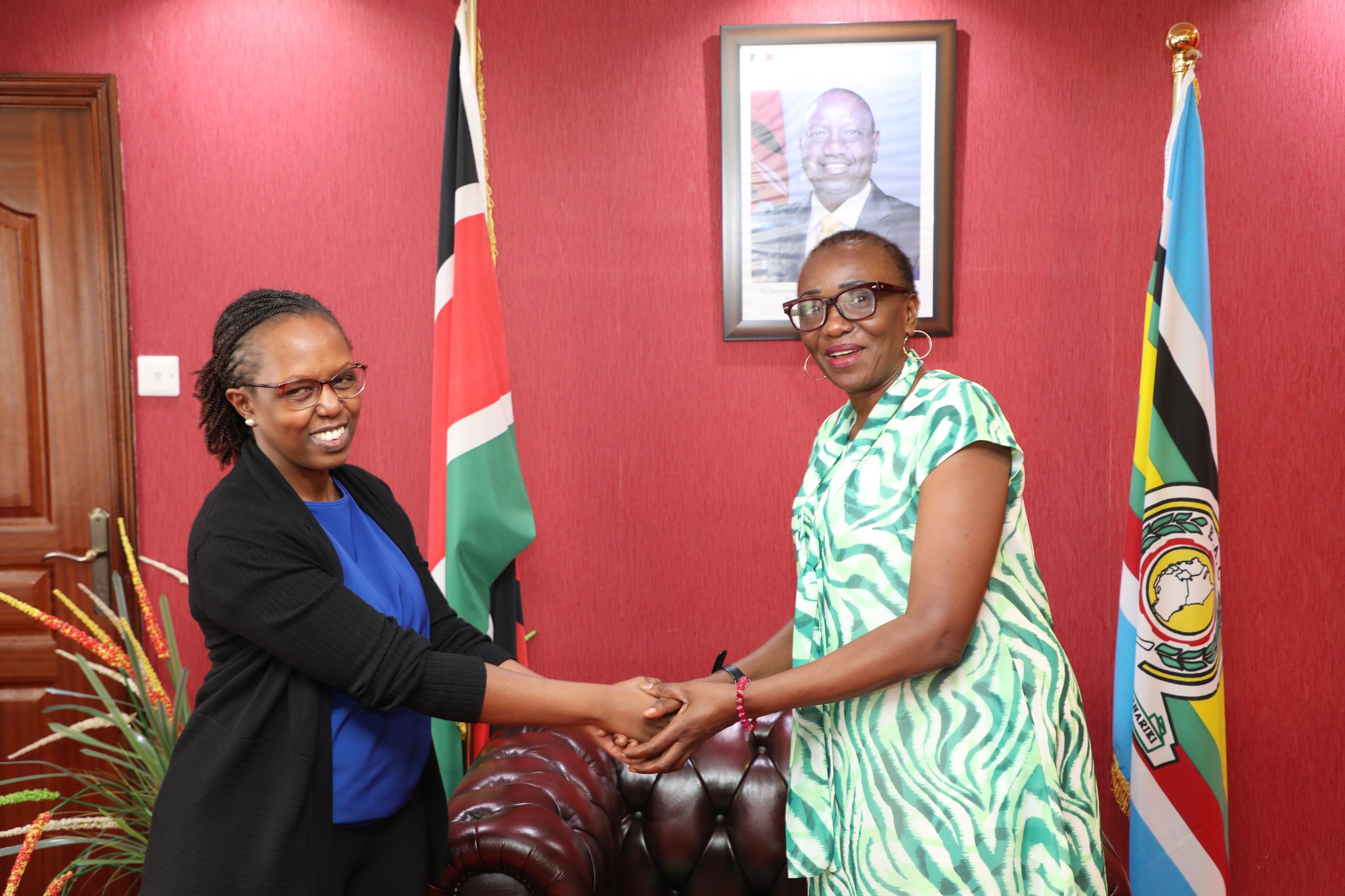
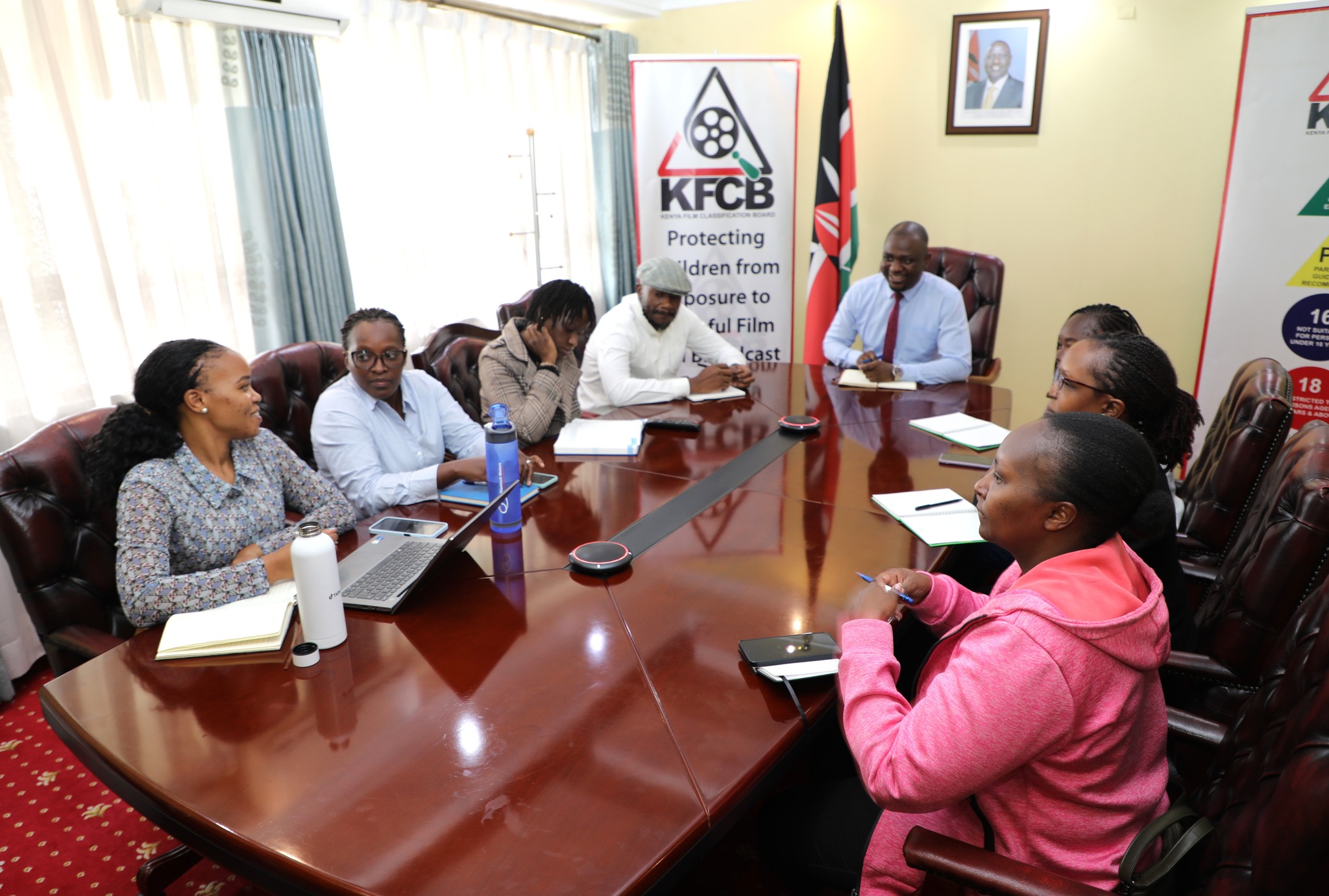
The Kenya Film Classification Board (KFCB) on Thursday, 16th April 2026, hosted representatives from Safaricom PLC - ‘Baze’, led by Ms. Linda Githige, Head of Content Acquisition, for discussions aimed at reviewing the performance of the self-classification model.
The meeting, chaired by Ag. CEO Ms. Nelly Muluka also explored areas of possible long-term collaboration between the Board and Safaricom.
The Ag. CEO lauded Safaricom for onboarding the self-classification model and reiterated the Board’s commitment to collaborating with other stakeholders on self-classification, among other programmes and initiatives being implemented by the Board to ensure a facilitative regulatory environment that spurs industry growth.
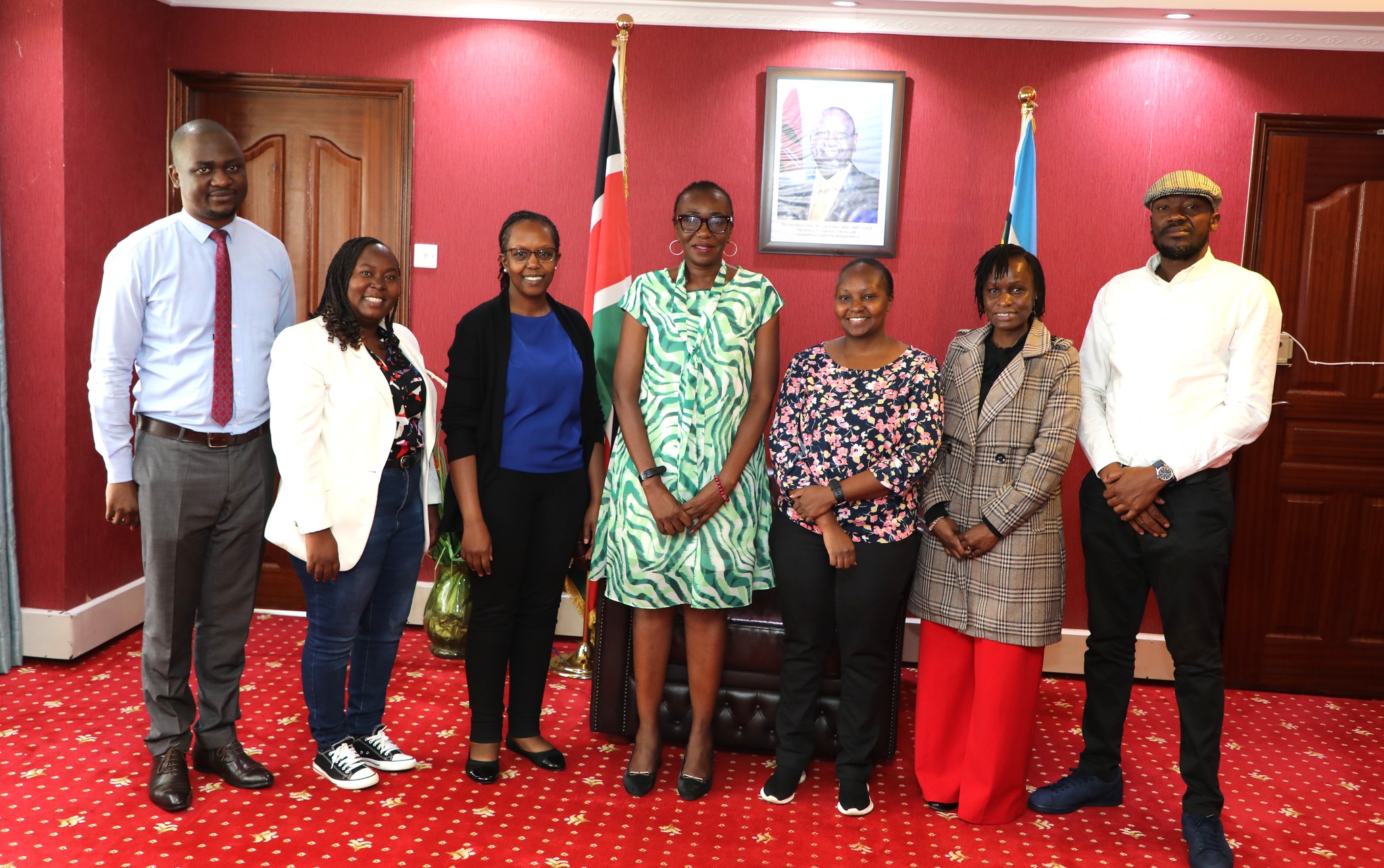
Safaricom has onboarded the self-classification model, which allows broadcasters, Video-on-Demand (VODs) and Over-The-Top (OTTs) platforms to self-classify audio-visual content exhibited or streamed on their platforms.
The Board is actively engaging broadcasters, VODs, and OTTs to empower them to self-classify content for age suitability in line with regulatory requirements, while providing the necessary training and support.
“Our key focus as a regulator is to protect children and other vulnerable members of society from exposure to age-inappropriate content through the regulation of film and broadcast content,” the Ag. CEO added.
On her part, Ms. Githige and her team commended KFCB for spearheading the self-classification model and other regulatory interventions and expressed Safaricom’s commitment to continued collaboration with the Board in advancing self-classification and other key areas of mutual interest.
KFCB is a State agency under the State Department for Youth Affairs and Creative Economy, mandated to regulate film and broadcast content in the country. The key objective of this regulation is to protect children and vulnerable adults from exposure to inappropriate audio-visual content.